
If you’ve noticed your utility bills creeping up recently, you’re not alone. From April to June 2026, electricity rates for households will increase by 2.1 per cent, translating to an average monthly rise of around $1.96 for residents of four-room HDB flats. Gas tariffs will also see a slight increase during this period.
While these adjustments may seem modest, energy experts warn that sharper increases could arrive later in the year, influenced by rising global fuel prices and supply uncertainties. Because Singapore depends heavily on imported natural gas for electricity generation, international events—especially disruptions to fuel supply—can directly impact household bills.
With energy prices expected to remain volatile, now is the time for households to take practical steps to manage electricity and gas consumption and reduce costs. Here are some effective ways to do just that:
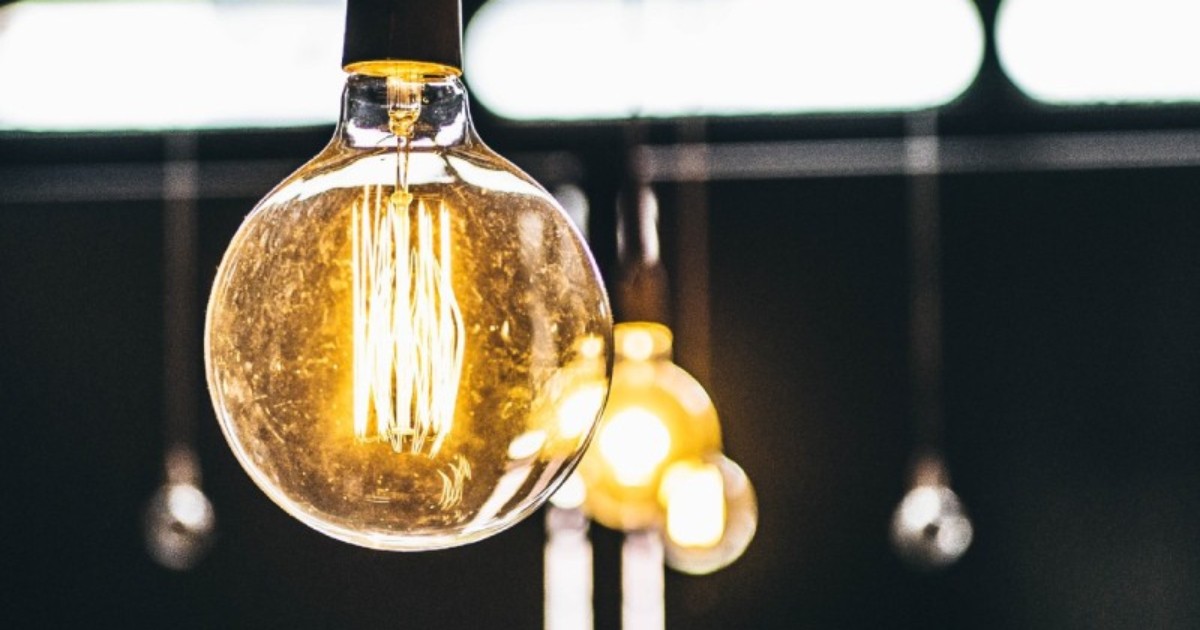
1. Switch to LED Lighting LED bulbs use up to 75 per cent less energy than traditional incandescent lights and can last up to 25 times longer. While the upfront cost is slightly higher, the long-term savings—and reduced need to replace bulbs frequently—make it a smart investment.
2. Choose Energy-Efficient Appliances Investing in energy-efficient appliances can significantly lower electricity bills while being kinder to the environment. Look for products marked with Singapore’s green tick energy rating. Appliances with higher ratings, such as a five-tick air conditioner, can reduce energy consumption by up to a third compared with lower-rated alternatives. Prioritise everyday appliances like fridges, air conditioners, and washing machines, as they account for the bulk of household electricity use.
3. Turn Off Devices Completely Leaving electronics in standby mode still consumes energy. Make it a habit to switch off appliances at the socket when not in use, especially at night. This small action can prevent unnecessary energy waste and reduce your monthly bills.
4. Wash Clothes with Cold Water Using cold or room-temperature water for laundry can save up to 90 per cent of the energy used for heating water, while still keeping clothes clean. Not only will this reduce electricity consumption, but it also helps extend the life of your garments.
5. Position Your Fridge Smartly The location of your fridge can have a big impact on energy use. Give it space by moving it slightly away from walls to allow airflow around the coils, and keep it out of direct sunlight to prevent the compressor from overworking. Regularly cleaning the condenser coils also helps maintain efficiency. With proper placement, your fridge can consume significantly less energy while lasting longer.
By adopting these practical measures, Singapore households can better manage rising electricity and gas costs, reduce energy waste, and make a noticeable difference to their monthly bills. Simple adjustments at home today can lead to long-term savings—and a more energy-efficient lifestyle.
 Watch AD


